Our Blog
Topics:
Tips and Tricks
DNSSEC's 2026 stress test: what to check before the October root-key rollover
DNSSEC failures made otherwise healthy .de and .al sites unreachable this year. The root zone is scheduled to use only KSK-2024 from 11 October 2026, so resolver readiness is now an availability topic.
Jelle De Laender - 27 September 2026
New
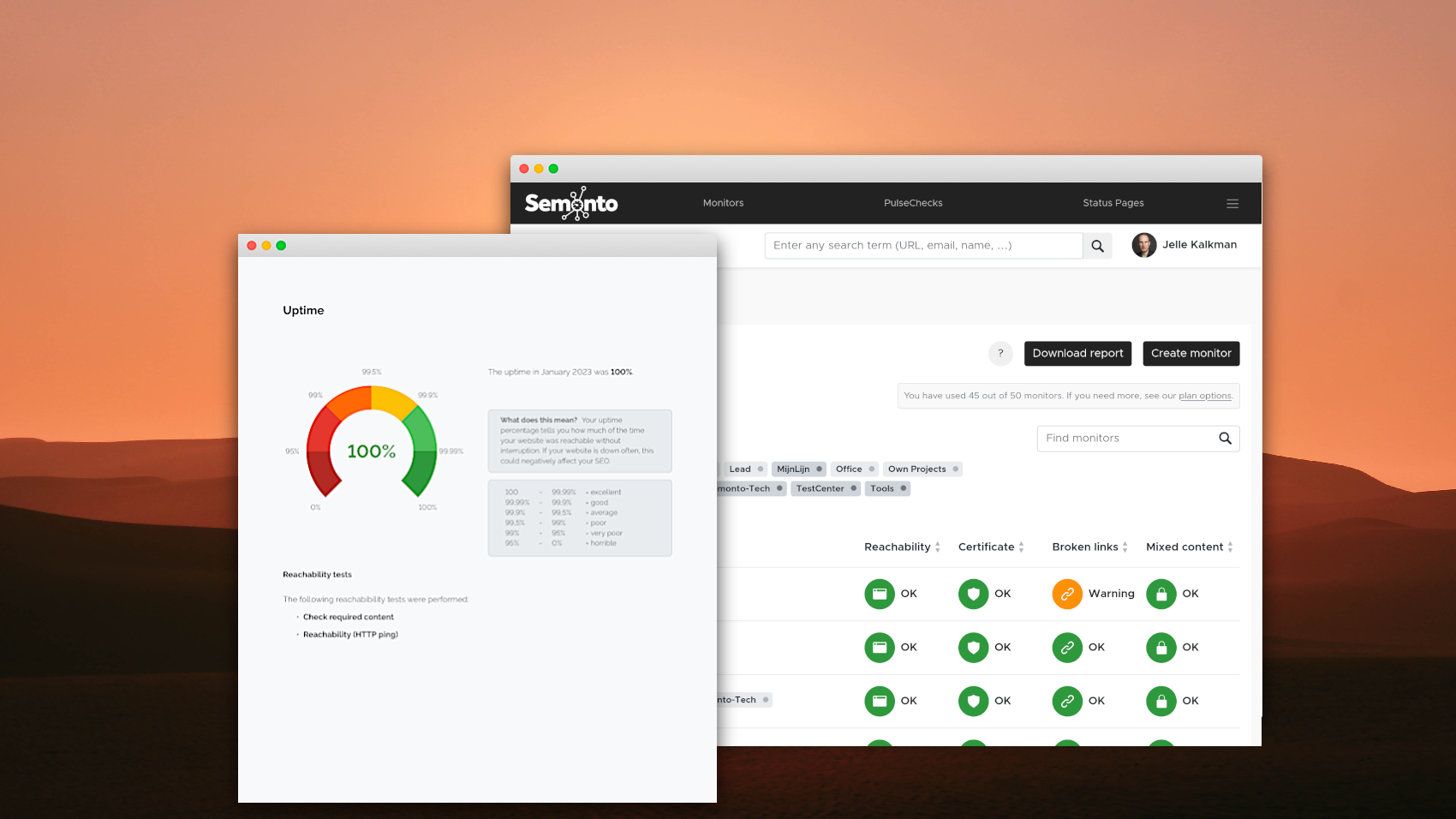
How to generate a website performance report in PDF
Have you noticed that we updated our monthly e-mail update? It now includes a printable PDF report. And in the Semonto dashboard, you can now combine multiple monitors into one clean PDF report for any month you want.
Kathy Salden - 23 February 2023
Tips and Tricks
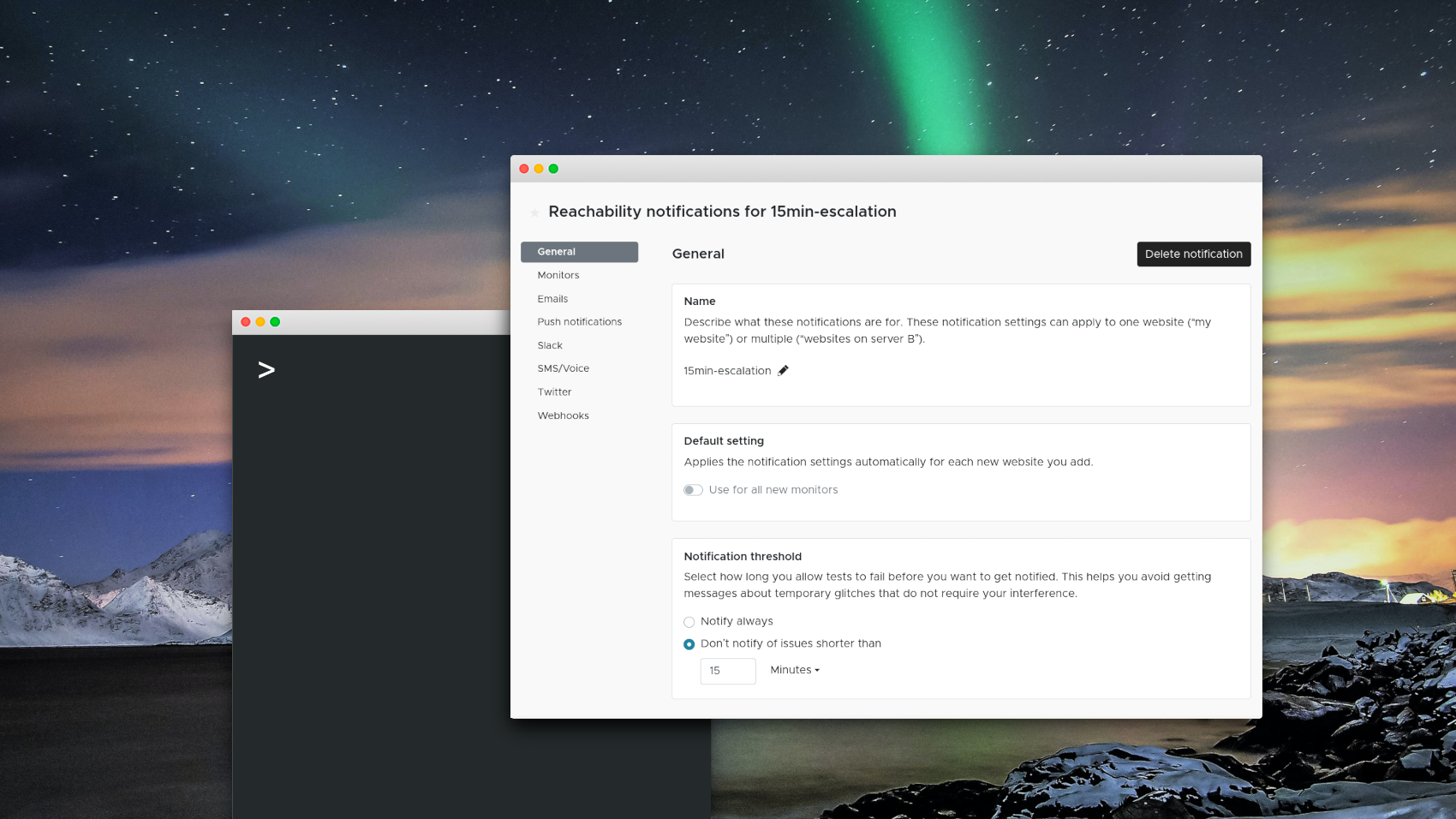
How to create an escalation process in Semonto
Did you know that Semonto can help you to automate your incident escalation? In this article, we show you how.
Jelle De Laender - 23 January 2023

Life at Semonto
Semonto's 2022 wrap-up
Time flies, it’s already 2023. Time to look back at 2022 and all the things that happened at Semonto.
Jelle De Laender - 02 January 2023
New
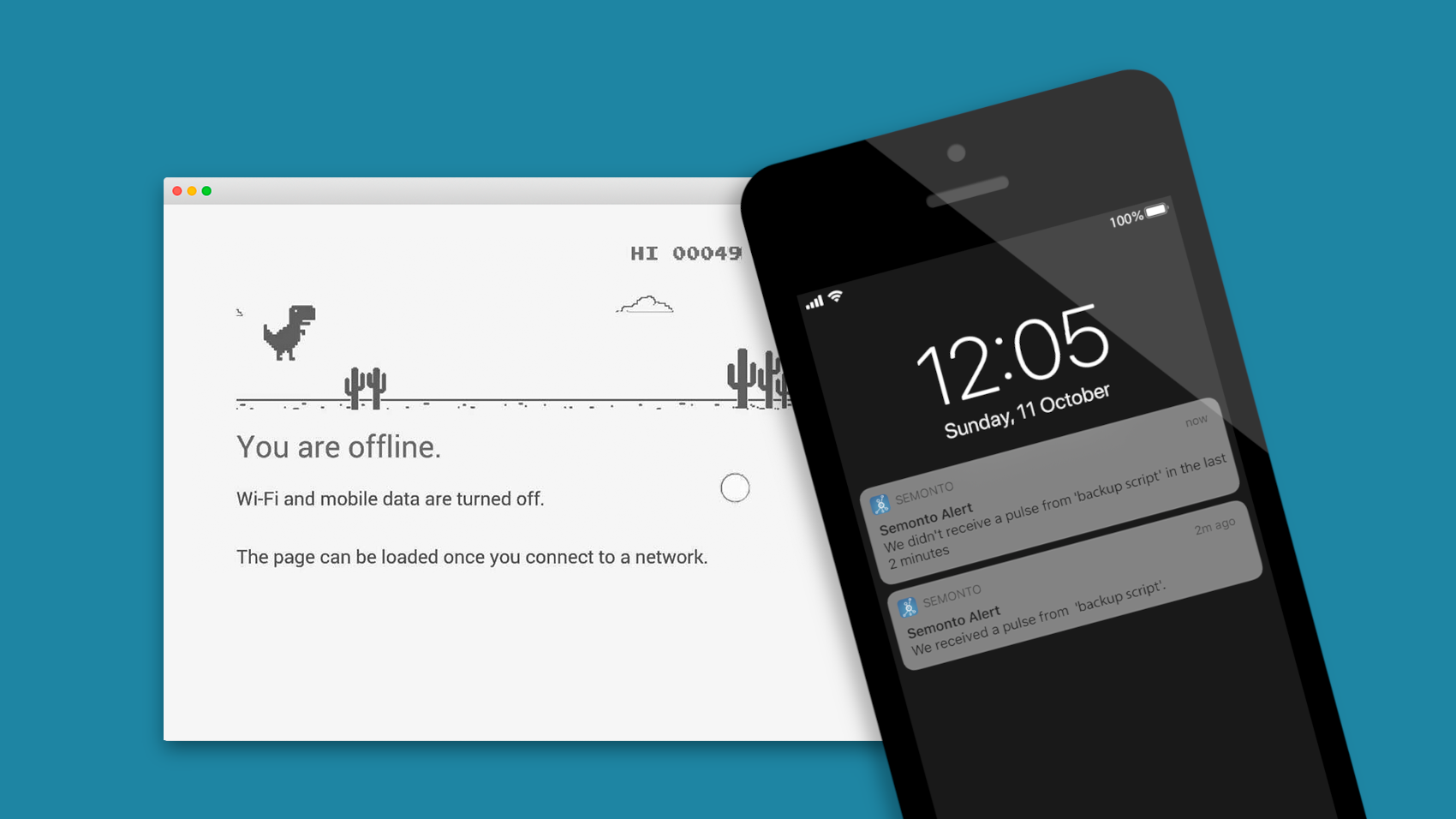
How to set allowed downtime thresholds when monitoring a website
In Semonto, you can define how long an issue is allowed to persist before you want to be alerted. You can also create an escalation system, so that different people get notified depending on the duration of the issue.
Jelle De Laender - 23 December 2022

Tips and Tricks
Importance of monitoring by ChatGPT
We asked ChatGPT, an AI tool by OpenAI, why monitoring the uptime, broken links, HTTPS TLS certificate and mixed content of websites are important
ChatGPT - 11 December 2022
New
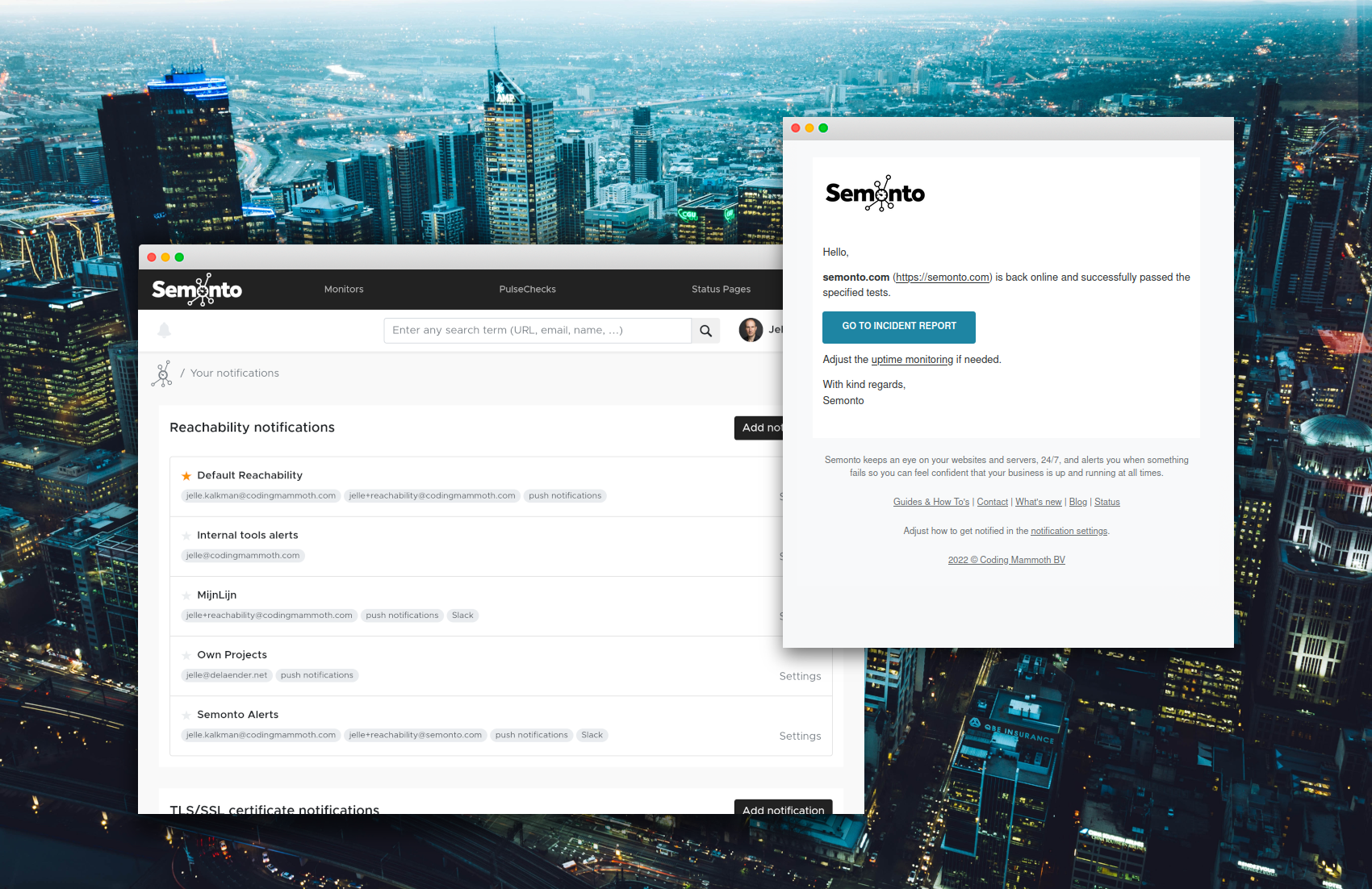
How to customize notifications for website monitoring
Some users have told us that they would like to manage notifications on a feature level in Semonto. We have been working hard to make that possible.
Jelle Kalkman - 1 December 2022
New
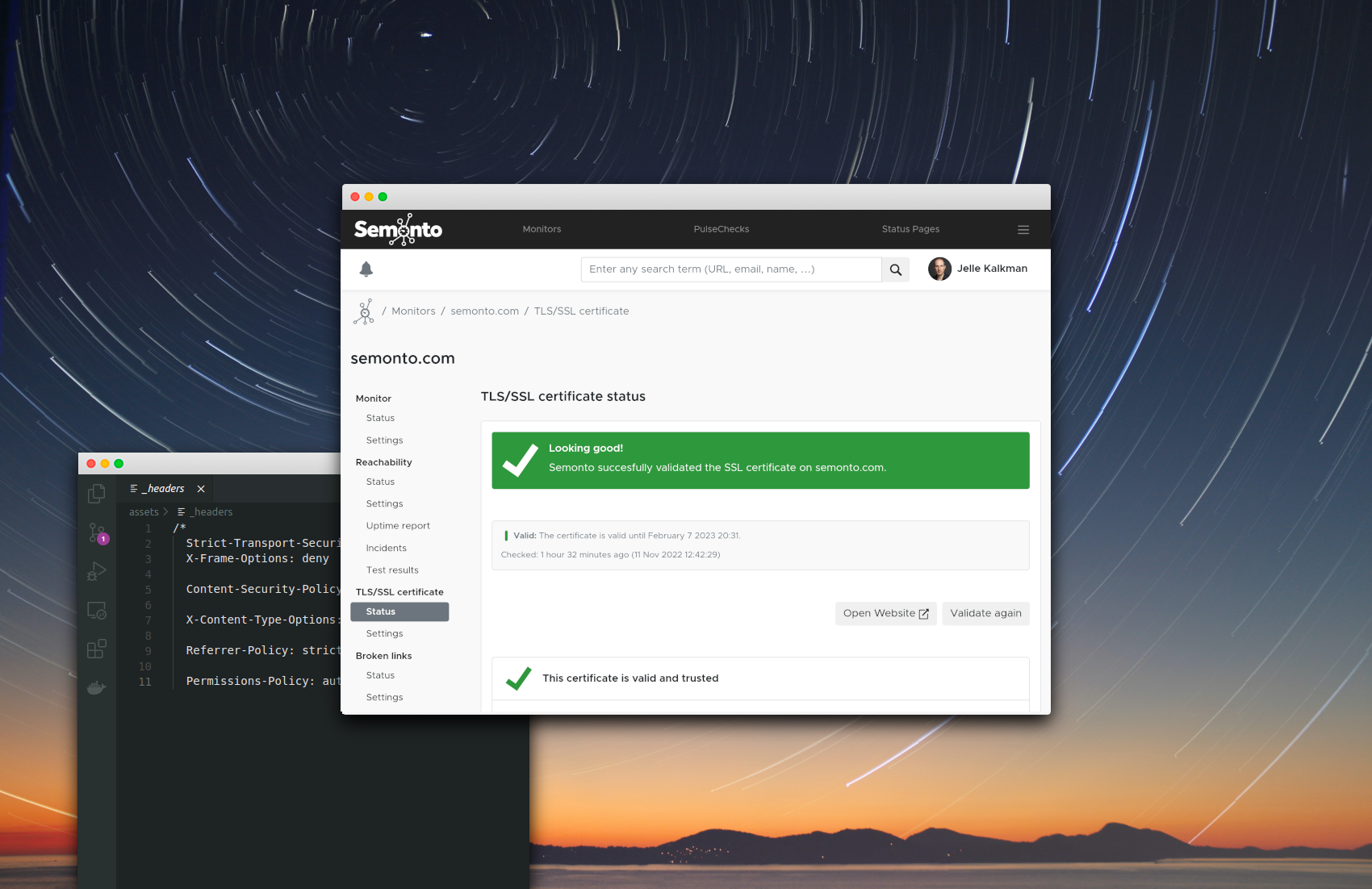
What do you think of Semonto’s redesign?
Have you noticed that we gave Semonto a makeover? It is now easier to navigate between the details of the websites you are monitoring.
Jelle Kalkman - 17 November 2022

Tips and Tricks
9 ways to prepare your website for Black Friday and Cyber Monday
Can your website handle the Black Friday and Cyber Monday madness? With this checklist, your website is ready for a possible peak in traffic.
Jelle De Laender - modified 11 November 2022
Tips and Tricks
What is the cost of downtime?
Is your business impacted when your website is temporarily unavailable? In this article, we help you calculate your total cost of downtime.
Jelle Kalkman - 3 November 2022
Trusted by companies who take their website seriously